“Art therapy is a form of psychotherapy that uses visual and tactile media as a means of self expression and communication. Art therapists aim to support people of all ages and abilities and at all stages of life, to discover an outlet for often complex and confusing feelings, and foster self awareness and growth.”
The British Association of Art Therapists
Frequently Asked Questions
Do I have to be good at art?
You don’t need to have any previous experience or skill with art to benefit from art therapy.
Art can sometimes feel pretty scary, particularly if you haven’t explored art materials for some time. However I have found it is often really helpful to explore the feelings this brings up – a process which I can support.
Do you tell me what to make?
Art therapy isn’t an art lesson and as a therapist, I am not there to judge you or tell you what to do. Occasionally I might invite the use of an art material to explore a particular feeling or situation, but you always decide if you want to make or not.
What happens to my art work?
Any art work you make belongs to you. If you want to take it home you can, if you want to throw it in the bin at any time, you can!
If our work is in person, I have folders and boxes where you can leave work safely in between sessions.
Do I need to provide my own materials?
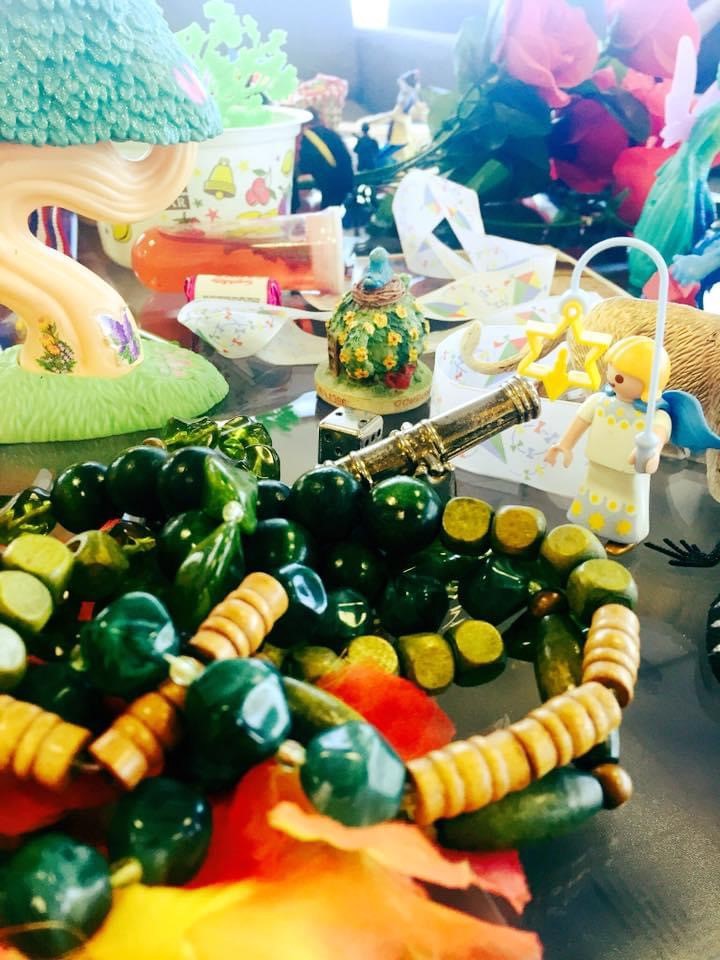
I provide a range of art materials, sandtray figures and stimming objects in the therapy room which can be used at any point in time. Some people also like to bring in their own.
For online sessions, we may agree that I will send you any additional materials you need. I also invite you to use any digital art making packages you feel comfortable with.
Do I have to make art every session?
Some people like to use art materials each session, other people less often. Art Therapy still involves talking, but doesn’t always have to. Sometimes there aren’t the words, and art can be helpful for people to explore and express who they are and what they are thinking and feeling.
How confidential is it?
Art Therapy and the information you share in sessions is confidential, any images you make are treated in the same confidence as any other personal information of yours. There are some limitations to confidentiality I am legally bound by which we can discuss in more detail if we contract to work together. See my privacy policy.
Children & Young People
If you are reading this, you perhaps have a child in your life that you feel needs some additional support to deal with a difficult life situation (trauma, loss, social anxiety etc) and/or you are hoping to provide a regular space for them to build confidence in being themselves. If a child is struggling at school and/or home, art therapy may offer an opportunity to explore what is going on without fear of failure or judgement. Because of the sensory nature of art, it can also offer an opportunity to help your child develop the self-regulation skills they may use to cope with their experience of the world.
If you would like your child to try out some art therapy for any number of reasons, I usually request to meet with parent/s or carer/s first to discuss the background to the referral. This can be over the telephone or zoom. After that, we may agree an initial assessment session with your child, followed by a plan for a number of sessions before we can review again. If I don’t think art therapy or myself would be a good fit for your child, I will tell you why.
Find out if art therapy is right for you or a loved one.
Book an initial appointment.
 Art Therapy with Alison